Flatfoot is a deformity of the foot in which it collapses and becomes flattened. Other changes occur as well: the forepart of the foot widens and the heel protrudes outward. Flatfoot is dangerous because the foot loses its primary function—acting as a spring during walking, running, or jumping.
Types of flatfoot:
Depending on the form and stage of the condition, the following types of flatfoot are identified:
Weakness of the ligamentous apparatus — the shape of the foot remains unchanged, but stretched ligaments cause pain. This pain usually becomes noticeable at the end of the day after prolonged walking and subsides after rest.
Flexible flatfoot — the foot becomes flatter, which is particularly noticeable along its medial side. Pain becomes persistent and the child experiences fatigue after walking.
Combined flatfoot — the foot is splayed flat and its arches are no longer visible. Pain in the feet is constant. It can radiate to the lower leg and the knee joint. Walking in this condition is very uncomfortable.
How can flatfoot be prevented?
Flatfoot in children can be prevented in two ways: by providing the appropriate load to the feet and by purchasing high-quality shoes with built-in arch supports.
Your child should walk without splaying the toes excessively. You can teach proper standing and walking from the very earliest age, beginning when they take their first steps.
It is crucial to apply the correct load to the feet. The child should move as much as possible, walk with an even gait, and maintain good posture.
Equally important is providing them with good footwear. The best shoes for a child are made of leather, feature a flexible sole, and have low heels.
Of course, it is crucial that the footwear is high quality and comes from a reputable manufacturer. However, buying such shoes often depends on the parents’ budget. Still, one should not skimp on children’s footwear
It is critically important to ensure that adolescent girls do not wear high heels. Refrain from footwear with a narrow toe box.
Preventive exercises for flatfoot:
During play, perform a few simple exercises with your child:
1. Stand with feet apart and toes turned inward. Rotate the torso to the left and right while shifting your weight onto the outer edges of the feet.
2. Walk on your tiptoes for a short while; now walk on your heels.
3. Walk a short distance with your toes drawn inward. Now walk with your toes raised.
4. Walk like a bow‑legged bear, walking on the outer edges of your feet.
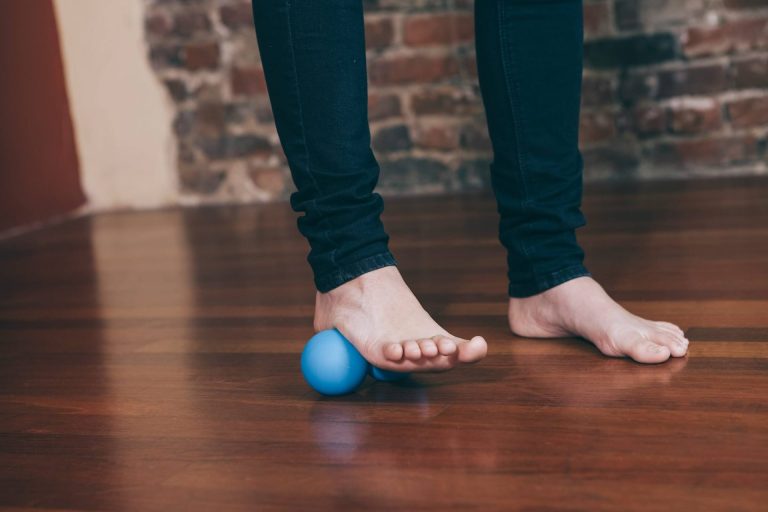
5. Try to pick up a small object from the floor using your toes.
6. While lying on the floor, rotate the ankles to the right and left and forwards and backwards, and repeatedly flex and extend the toes.
7. Encourage the child to place their feet on their outer edges while reading or drawing.
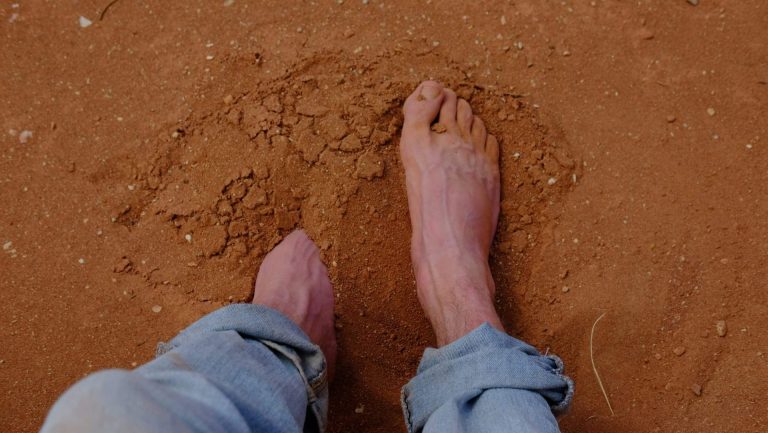
8. Use the soles of your feet to rake together and scatter imaginary sand.
9. Rise onto your tiptoes and rock from side to side.
10. Squat down and shuffle along the floor with your feet, covering 30–50 steps.
Practice these exercises regularly, repeating each movement ten times. Then you and your child will be rid of flatfoot for good!